$245
A wind mitigation inspection can help homeowners fortify their homes against wind damage, resulting in potential insurance discounts, increased safety, higher resale value, and peace of mind. This specialized home inspection evaluates a property's ability to withstand strong winds and tropical storms, with all surveys provided on the same day to ensure you can submit your results to your insurance provider without delay.
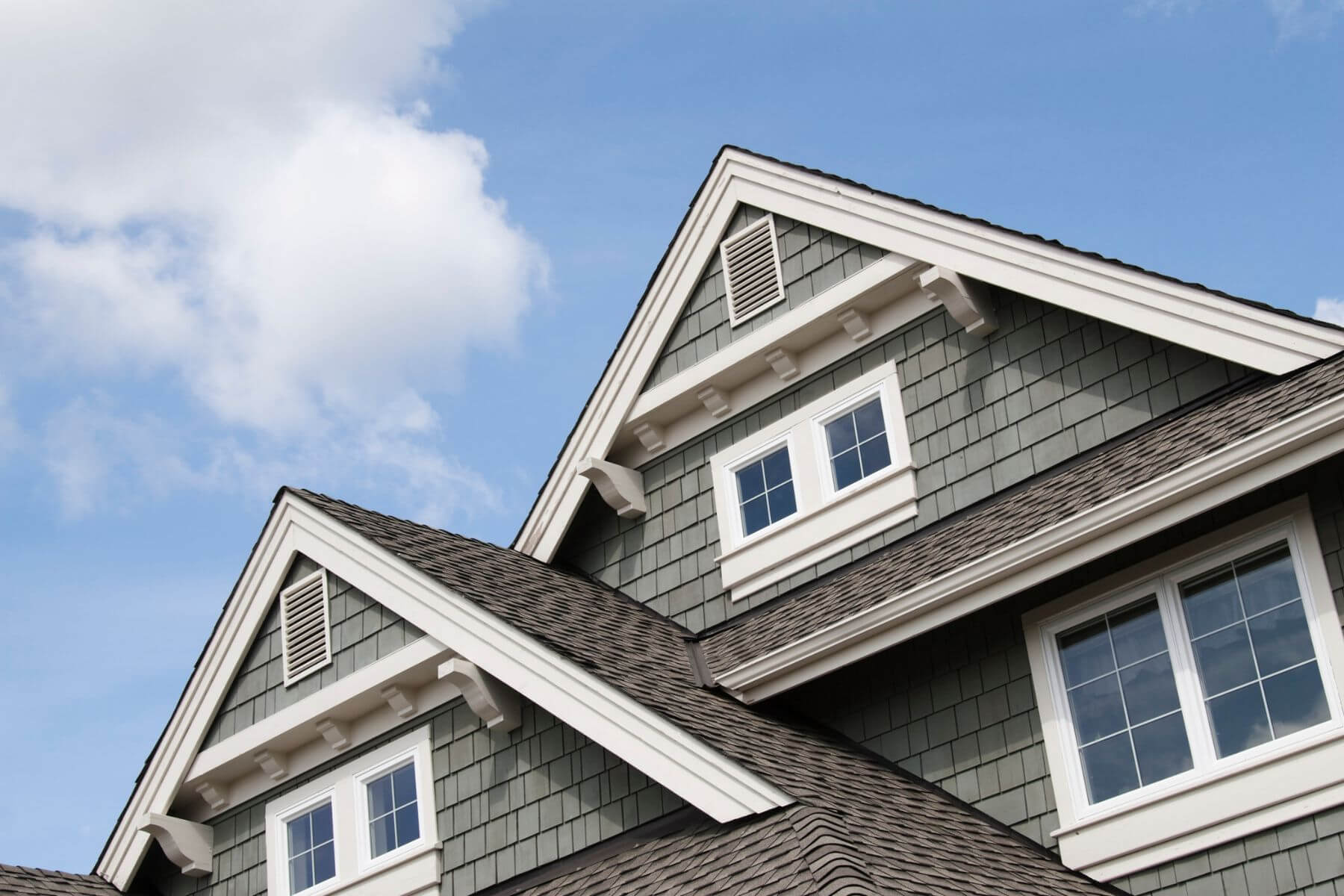
Explore actionable steps to bolster your home’s resistance to wind damage from extreme weather events.
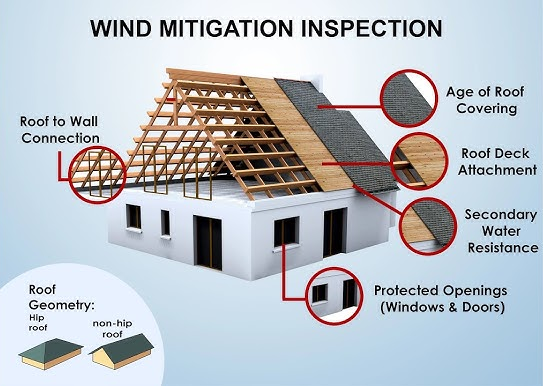
The roof covering is the outermost layer that directly faces environmental elements. A well-maintained and compliant roof covering serves as the first line of defense against weather, particularly strong winds and heavy rain.
This feature acts as an additional layer of protection beneath the primary roofing material. In the event that the primary layer is compromised during a storm, this secondary barrier helps prevent water from seeping into the roof decking and into the interior of your home.
The choice of material and its thickness are crucial in ensuring that your roof decking not only meets safety standards but also provides robust protection against the challenges posed by extreme weather conditions.
Proper roof decking attachment is vital for wind resistance, with emphasis on nail size, length, spacing, and the use of ring shank nails. By focusing on these key aspects, the attachment method significantly boosts your roof’s durability and resilience against severe weather.
Ensuring a robust rafter to wall connection is a vital step in fortifying your home against severe weather, contributing significantly to the overall safety and resilience of the structure.
Protecting window and door openings is essential in safeguarding your home against wind-borne debris and strong winds. These openings are vulnerable points where high winds can cause significant damage.
Installing a hurricane rated garage door is a key step in reinforcing your home against high winds. Garage doors are often the largest and most vulnerable openings in a home, susceptible to wind pressure and impact.
Gable end bracing is an important aspect of strengthening your home against high winds. Gable ends, the triangular portion of the wall at the roof’s edge, are particularly vulnerable to wind pressure. Proper bracing reinforces these areas, preventing them from buckling under force.
For homes built after 2007, wall-to-foundation attachments should meet Louisiana State Uniform Building Code standards. For older homes, consider renovations to meet these requirements, especially for raised homes that allow under-access.
Need more information regarding wind mitigation surveys?